
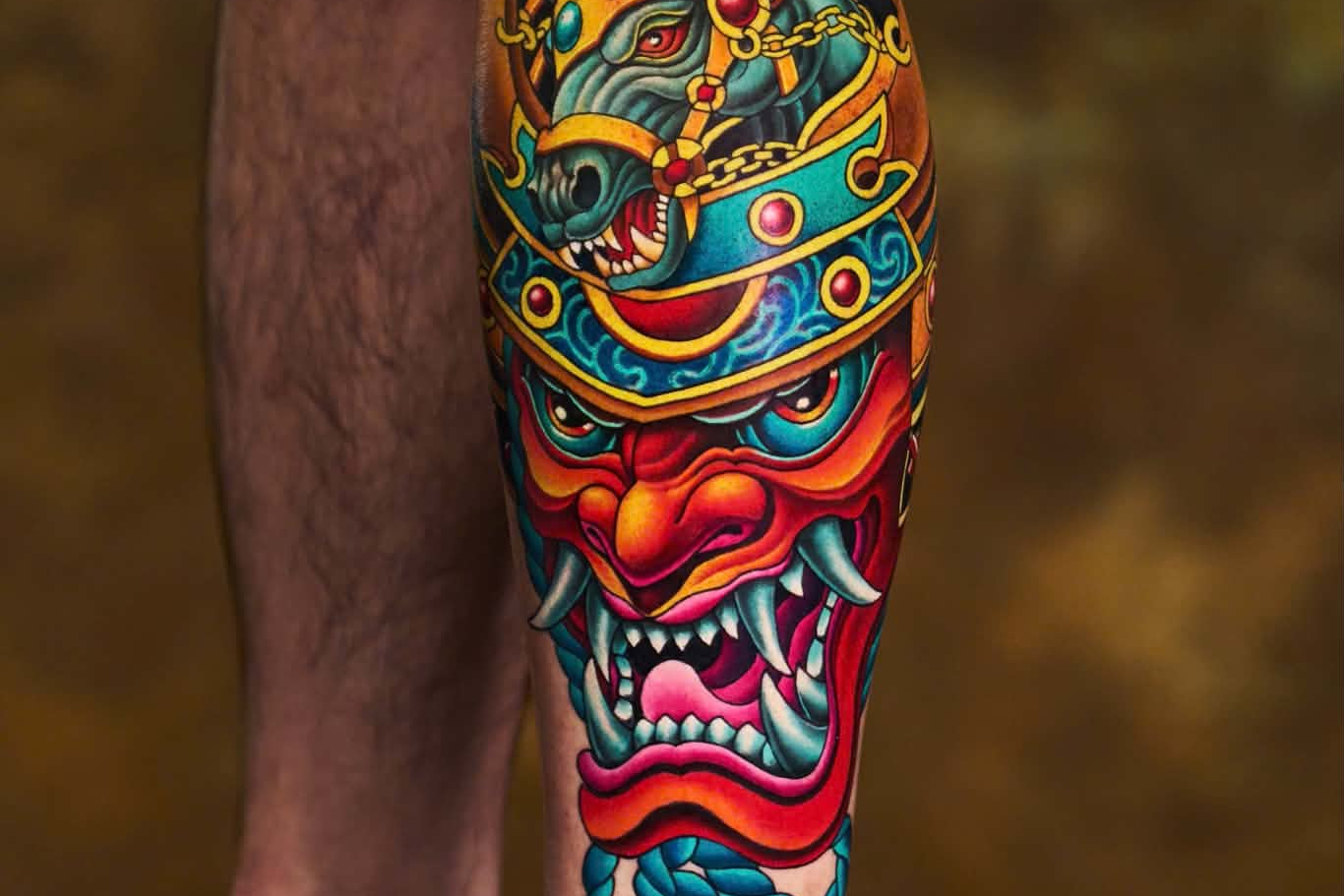
The world of Yakuza tattoos is much more complex than the common image of a heavily tattooed criminal. Japanese tattooing has a long artistic and cultural history that existed before modern organized crime, while tattoos later became strongly associated with the Yakuza because of historical practices and social perceptions. Thus, in this article, we will explore the fascinating world of Yakuza tattoos. From the deep meaning of tattoos in the Yakuza world and the symbolism behind popular Japanese tattoo designs to common misunderstandings and interesting facts about this mysterious tradition. Whether you are interested in Japanese tattoo history or considering a Japanese-style tattoo yourself, understanding the story behind the artwork can make the experience much more meaningful.


The Deep Meaning of Yakuza Tattoos
Traditional Japanese tattooing, often referred to as irezumi, can involve extensive compositions covering large areas of the body. For some Yakuza members, receiving such tattoos could represent commitment, identity, endurance, and belonging.
Tattoos as a Symbol of Commitment
Traditional tattooing methods could be extremely time-consuming and physically demanding. Large-scale Japanese tattoos might require numerous sessions, making the process a significant test of patience and tolerance. Historically, enduring the process could therefore become a symbol of determination and commitment.
For some people within criminal organizations, tattoos could also communicate a sense of loyalty or connection to a particular group or identity. However, it is important to remember that this does not mean every person with a Japanese tattoo has any connection to organized crime.


Tattoos as Personal Identity
Japanese tattoo imagery is highly symbolic. A dragon may represent strength, wisdom, protection, or power. A koi fish can symbolize perseverance and overcoming adversity. Tigers can represent courage and strength, while phoenixes can suggest rebirth and transformation.
The meaning can also change depending on the overall composition, placement, colors, and combination of different elements. This is one reason Japanese tattooing is more than simply choosing an attractive picture. A well-designed Japanese tattoo tells a visual story. the experience more comfortable. If you’re nervous about pain, discuss your concerns with your artist before the session. They can explain the expected process and help you prepare appropriately.

The Misunderstood Common Things
One of the biggest misconceptions about Yakuza tattoos is that every Japanese-style tattoo represents Yakuza membership. That is simply not the case. Japanese tattoo art has developed into a respected international tattoo tradition. Artists around the world study Japanese composition, imagery, linework, shading, and traditional motifs without any connection to organized crime.
Myth: Every Japanese Tattoo Is a Yakuza Tattoo
Japanese tattooing existed long before the modern Yakuza became associated with tattoo culture. However, traditional Japanese tattoo art has its own long and complicated history, including connections to ukiyo-e-inspired imagery, folklore, mythology, and decorative body art.
Myth: Yakuza Tattoos Are Only About Looking Intimidating
Large Japanese tattoos can certainly create a powerful visual impression, but their imagery often carries deeper symbolism. A composition may combine multiple elements to create a particular narrative—for example, a dragon surrounded by clouds, waves, flowers, and other motifs.
Interesting Facts About Yakuza Tattoos
The history surrounding Yakuza tattoos contains many fascinating details.
1. Traditional tattoos can require many sessions.
Large-scale Japanese tattoo projects are often completed gradually. Depending on the size and complexity, a major piece can take considerable time to finish.

2. Pain has historically been part of the experience.
Traditional tattooing methods could be physically demanding, and enduring the process contributed to the perception of tattoos as symbols of strength and commitment.

3. Tattooing in Japan has a complicated social history.
Japanese tattoos have not always been viewed simply as art. At different points in history, tattooing has been associated with punishment, criminality, social stigma, and underground culture.

4. Many famous Japanese motifs have meanings
Dragons, koi, tigers, chrysanthemums, peonies, snakes, phoenixes, and waves are all part of a much broader Japanese artistic tradition.

5. Full-body tattooing is known for its distinctive composition
Traditional Japanese body suits can incorporate large interconnected scenes rather than treating each tattoo as an independent image.

6. The background is just as important as the main subject.
Clouds, wind bars, waves, and other background patterns help connect different elements and create the characteristic flow of Japanese tattoo compositions.

7. Japanese tattoo art has become global.
Today, Japanese-inspired tattooing can be found throughout the world, with artists adapting traditional imagery to contemporary tattoo techniques and individual client preferences.


Experience Top Japanese Quality Tattoo at LC Ink Tattoo Shop
If you are fascinated by Japanese tattoo culture, you do not need to be part of the Yakuza or imitate its identity to appreciate the artistry behind Japanese tattooing. At LC Ink Tattoo Shop, Japanese-inspired tattoo designs can be approached as a form of personal artwork, with attention to composition, detail, symbolism, and quality. Whether you want an Irezumi-inspired sleeve, a traditional Japanese tattoo, an Asian neo-traditional piece, or a dragon, koi fish, tiger, snake, or larger Japanese composition, we can develop the design around your story and aesthetic.
Leave a Reply